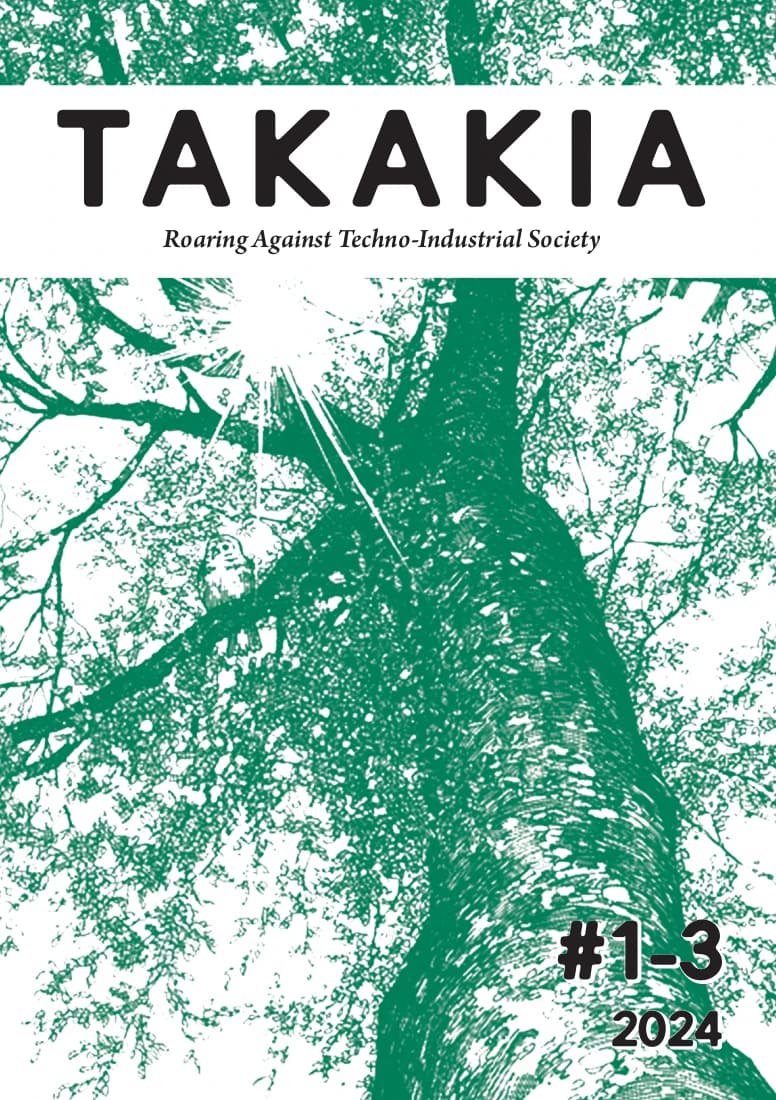
Takakia #1-3
$7.00
Images
Description
On the Tibetan Plateau, north of the Himalayan giants, a rare plant which bore witness to the Jurassic period clings to icy granite cliffs. On this roof of the planet, the green shoots of this plant remain close to the ground and rarely exceed the thickness of a finger, while its leaves are minuscule. Its bright, vivid green has been observed by only a handful of humans. Its common name in Japanese, nanjamonja-goke, aptly conveys the plant’s unusual resilience: “impossible moss.”
Takakia moss has survived at least four mass extinctions of flora and fauna, all due to climate change. This is not the first time moss has witnessed glaciers melt. Today, however, the impossible moss faces a challenge of even greater proportions. It has coped with the most extreme conditions on the planet. Once lifted up by the tectonic rise of the Himalayas during the formation of the continents, its resilience is now being severely tested by the total ecological crisis that is industrial society. This is what Takakia on the Tibetan Plateau tells humans who seek it out: year after year, its struggle hardens but its resistance does not falter. It retreats but fights on, relentless. Takakia draws a clear line: resistance and freedom or submission and agony. The memory has not been erased of the mosses that blanketed the planet and, at the close of each cataclysmic era, gave birth to everything that lives and grows. Aasaakamek — those ones who cover the earth. Today, this vital force nourishes the dream of seeing those ones cover the industrial ruins of the Anthropocene. Each Takakia shoot serves as a reminder of the challenge before us: to work toward the downfall of industrial society, or perish with it; free and wild resistance, or morbid submission.
Takakia | 2025 (English edition) | 162 pages, 7.7"x11"
There is no wholesale discount available for this journal, so the wholesale coupon will not be applied to it. It is already priced at cost.